Do these creatures haunt America's woods? Why they fascinate us

Phaedra Trethan, USA TODAYSun, October 25, 2026 at 10:01 AM UTC
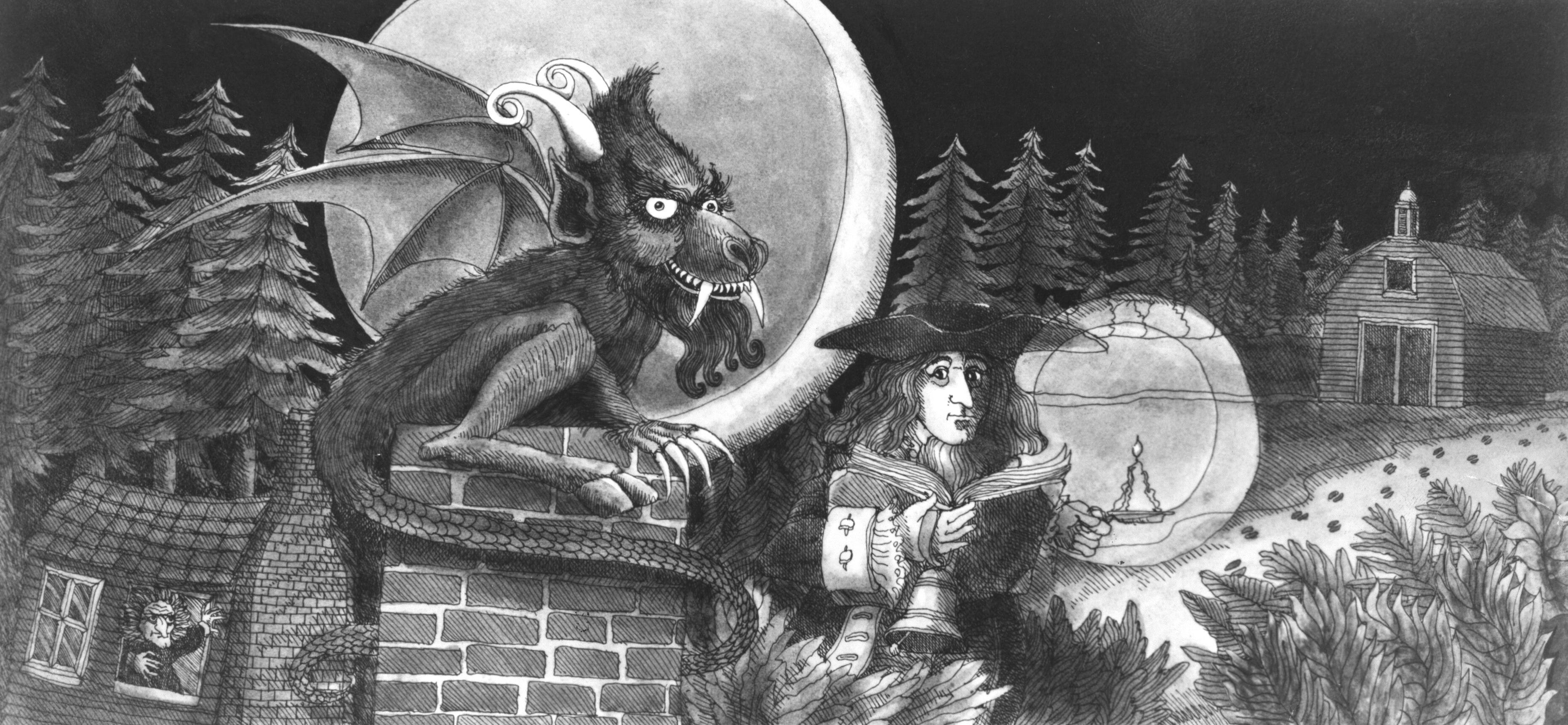
It might be a familiar scenario for anyone who's wandered deep in the woods of the New Jersey Pine Barrens, a large tract with little development, white sand, bogs and forests filled with pitch pines and native plants found nowhere else.
Did you hear that?
What was that sound? It didn't sound human, or like any animal I've ever heard.
Something moved! I just caught a glimpse through the brush.
What was that?!
For more than 290 years ‒ longer than we've been a country ‒ people who find themselves lost in the vast expanse of the Pine Barrens have been asking themselves those questions, and wondered if they were being stalked by the Jersey Devil.
And it's not the only legendary creature believed to wander around in America's forests − from the Pacific Northwest to the Appalachian Trail.
What are some of these creatures? How did the myths originate? And why do they continue to fascinate us, for all of our modern scientific and technological sophistication?
A cryptid that's 'uniquely New Jersey'
Despite being the most densely populated state in the U.S., New Jersey also has vast, undeveloped tracts, including the Pine Barrens, a unique ecosystem with acidic, low-nutrient water and soil.
Species of plants and wildlife there have adapted to the difficult conditions, according to the Pinelands Alliance, an environmental nonprofit that advocates to protect the the area. As New Jersey's population grew and the state industrialized, the Pinelands (a protected area of 1.1 million acres) have remained mostly wild and sparsely populated ‒ by humans, at least.
A hybrid creature that walks on two legs, the Jersey Devil has wings, hooves, a tail and a thirst for blood. According to legend, it was cursed at birth by its exhausted, angry mother, and Mary Leeds' 13th child has fascinated New Jerseyans since its supposed 1735 origin.
However, its actual origins might also come from a place much more mundane, according to the New Jersey Council for the Humanities: a spat between rival publishers, Titan Leeds, a prominent Quaker who lived in the Pine Barrens who printed "almanacks," and one Benjamin Franklin, who wrote "Poor Richard's Almanack," and playfully linked the Leeds family, whose crest bore a creature resembling the Jersey Devil, to the supernatural.
Mark Moran is a co-founder and writer for WeirdNJ, a magazine and website whose name is, well, pretty self-explanatory. The Jersey Devil isn't just a constant source of reader-submitted content for the magazine, it's also central to its branding and merchandise.
The Jersey Devil, he said, is "uniquely New Jersey."
"Wherever you go in the country, there are Bigfoot-like creatures, like the Skunk Ape in Florida or the Fouke Monster in Arkansas," he said. "But the Jersey Devil isn't found anywhere else in the country or the world, and it's an amalgamation of different animals."
That, he said, makes the Leeds monster like the state it inhabits. "It's like New Jersey itself: an amalgamation of different people and cultures," something that comes from the austere but beautiful environment of the Pine Barrens, which comprises more than 20% of the tiny state's total acreage.
The Jersey Devil makes its home in a place that's long had a hold on the imagination, Moran said, and that adds to its appeal.
"(The Jersey Devil's origin) is a great scary story on one level, but you also have a unique environment, a mysterious land where it comes from. People who live on the edge of the Pines are reluctant to go too deep in, it’s dark and forbidding," Moran said. "The Devil fits in perfectly with the unique and mysterious environment."
Bigfoot and big forests
Perhaps the most famous mythical creature wandering America's backwoods is Bigfoot, also called Sasquatch, derived from an Indigenous word, “Sesquac,” for “wild man" or “hairy man," according to the U.S. Department of Mythical Wildlife, an entertainment-oriented website not affiliated with any government entity or agency.
The name Bigfoot originated in California in the 1950s, when big footprints were discovered in a deeply wooded area, said Lynne McNeill, an associate history professor who chairs Utah State University's folklore program. But Indigenous people in the Pacific Northwest already believed in a bipedal giant that wandered the forests, and she, like Moran, noted that there are similar creatures who've been sighted across the U.S.
"These various regional cryptids, these human-like creatures that walk on two legs, embody a liminal and hybrid space between humanity and wilderness," she said. "I don't think it's a coincidence that Bigfoot and other creatures are often placed at some of the most ancient forests in the world."
There's a stereotype of people who've reported seeing Bigfoot and other cryptids: backwoods people, poor, uneducated and even sometimes intoxicated ‒ or just someone looking for attention or to make a buck.
But that characterization is wrong, said Debra Lattanzi Shutika, a folklorist and professor who's the director of the folklore program at George Mason University, as well handing public outreach for the American Folklore Society.
"Their testimony is actually compelling," she said. "These aren’t crazy people."
Most people who've reported seeing unexplained phenomena are credible witnesses, people with no reason to fabricate and nothing to gain, she said. They've been members of the military, hikers, nature enthusiasts and hunters.
Mothman and 'a high-tech kind of monster'
In November 1966, a couple driving through West Virginia near an abandoned National Guard armory saw "a menacing figure standing six to seven feet tall," with giant eyes that "shone bright red," the Smithsonian Center for Folklife and Cultural Heritage Magazine wrote in a 2021 story.
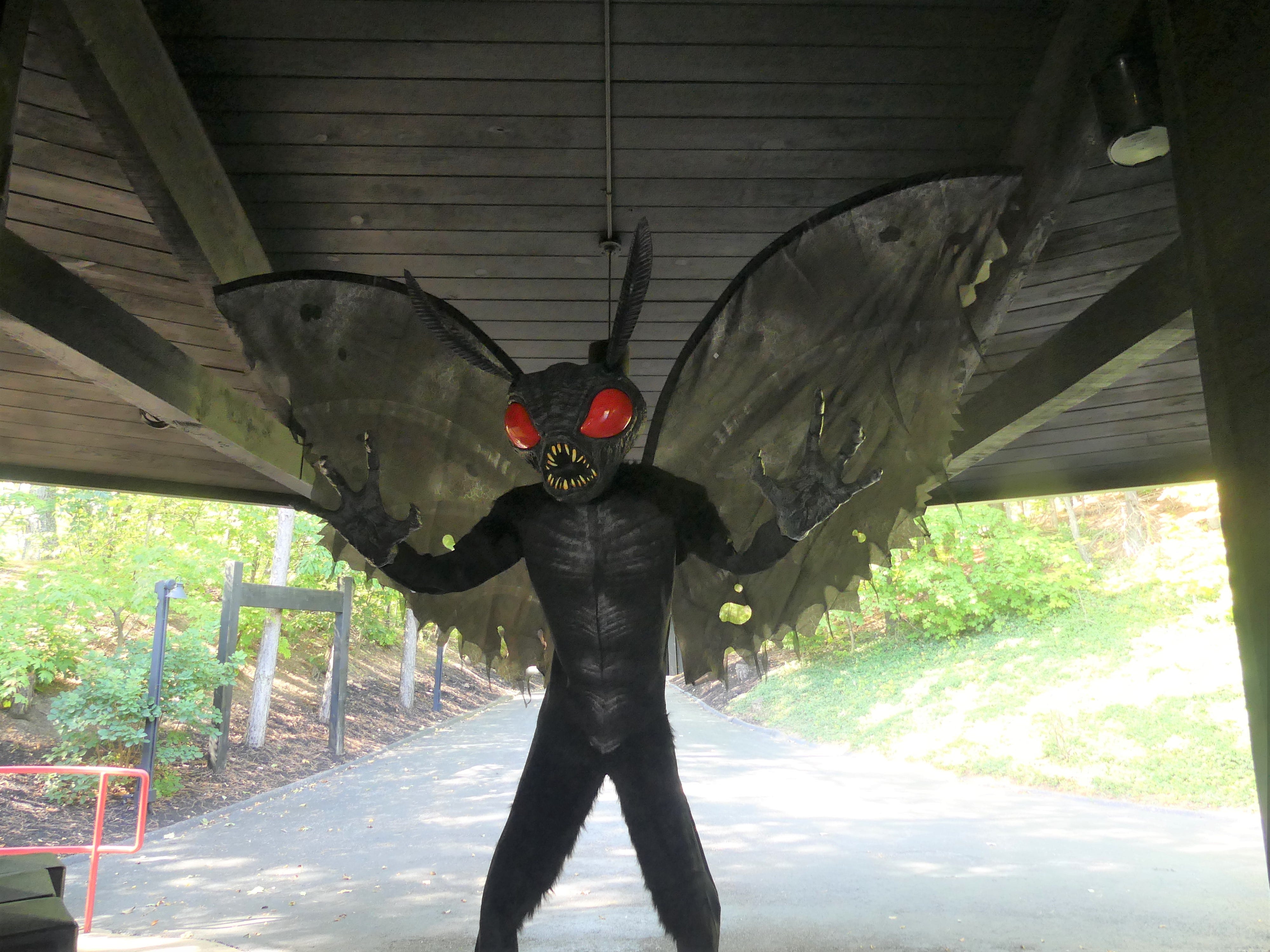
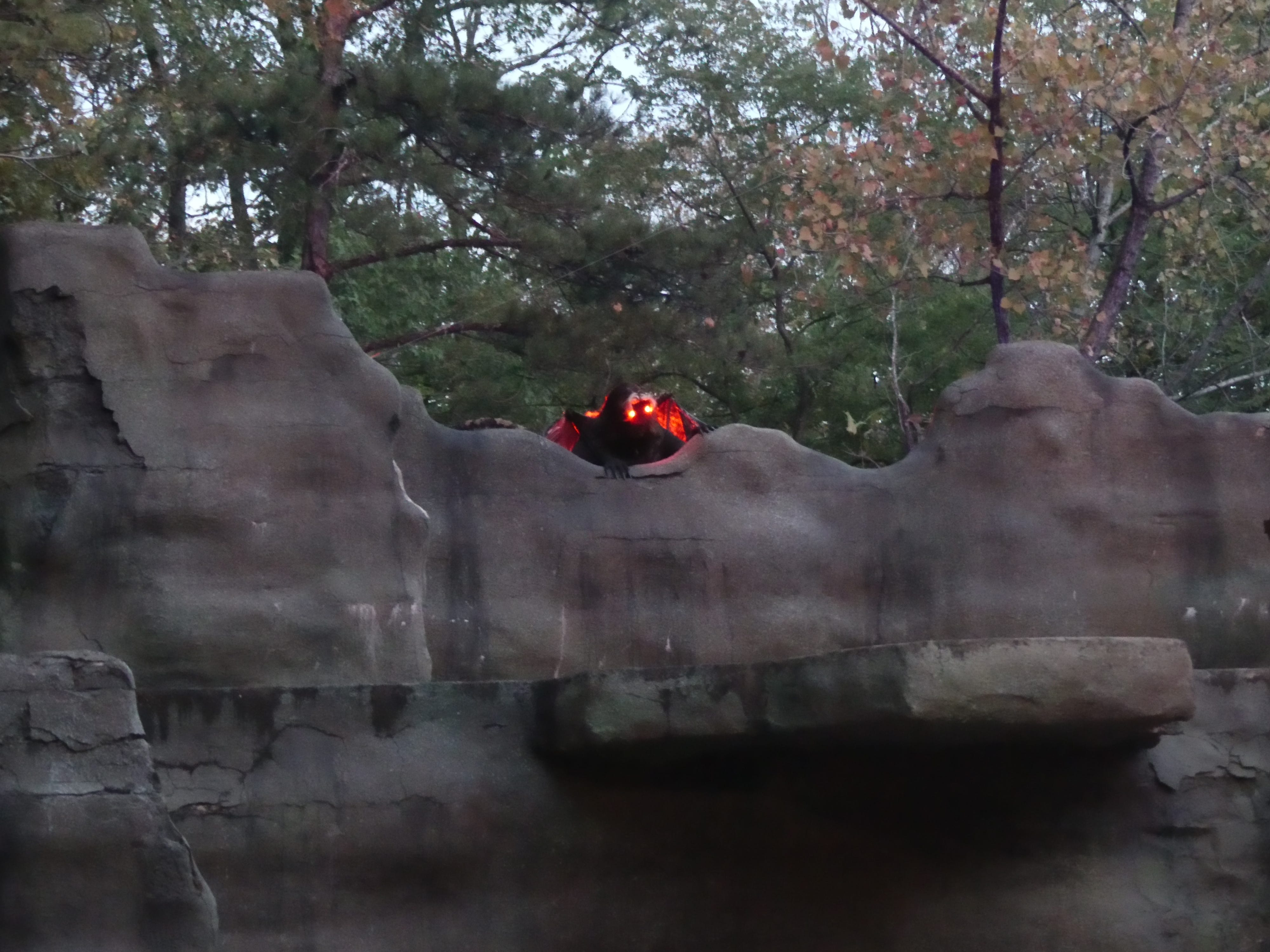
Mothman "emerged from either the depths of hell or the upper echelons of space," the magazine wrote, and a legend was born. A 1975 book, "The Mothman Prophecies" and subsequent 2002 film, helped keep the legend alive. So did the Mothman Museum, opened in 2006 by a native of Point Pleasant, the area where Mothman was first sighted. Point Pleasant also hosts an annual Mothman Festival in September, with live bands, cosplayers from all over the country and guest speakers.
Legends like Mothman, said Shutika, often spring from contemporary fears and localized anxieties: "They're metaphors for fears of the unknown and vernacular responses to anxieties around extraction, taking things away."
She pointed to Mothman, as well as the Flatwoods Monster, another West Virginia creature first spotted in 1952 by a group of kids who saw something crash near their neighborhood, as legends that were born during an era of Cold War anxiety, scientific advancements and concerns about space exploration.
"(The Flatwoods Monster) was spotted near something like a 1950s-era spaceship, so this is a high tech kind of monster," she said. "It was the Cold War and this was the manifestation of some of the cultural anxiety of the time."
'People tell stories for a reason'
So why are we, members of a technologically and scientifically advanced society, still fascinated by mythical monsters and creatures we're (pretty) sure don't actually exist?
"We’re always telling stories," Shutika said. "Humans are storytelling creatures. It’s what we do and they fall into what folklorists call legends, set in contemporary time with real people and real events. They're ways to work through our cultural anxieties and the state of the world."
"No matter what we do, we can’t separate ourselves from our archetypal fears," Moran of WeirdNJ said. "We’re not that far removed from cave people. We're modernized but we’ve also had tens of thousands of years where we had to deal with threatening creatures in the woods that might kill us and eat us."
Some cryptids evoke a sense of regional pride, or at least unity, Moran said.
New Jersey, for example, "always has an air of being an underdog, sandwiched between Philadelphia and New York, and looked at as backwoods people. We need a champion and we kind of identify with (the Jersey Devil). There's a toughness and determination for New Jersey people to prove they're as good as their neighbors and maybe a little tougher."
Folklorists, O'Neill said, approach stories objectively, without judging their veracity. They know the stories and what they say about us as a society, and what they mean to us as a culture, are what matters.
"The entire legend genre tells us that questions are more interesting than answers," she said. "Fairy tales are about fantasy, and there are skeptics and disbelievers. It's the ongoing questions that we can grapple with: What have we done to the wilderness? What else is out there?"
The origins of creatures like Mothman, the Jersey Devil and Bigfoot "started where there were intrepid people living in areas where it was hard to survive, 'uncivilized' areas without the comforts of modern life, even though of course there were already people there," she said. The legends "sum up some of the bizarre hardships they faced."
They may also speak to some primal urges to return to the forests from which our ancestors emerged long ago.
"There is also maybe a longing to get back to these places where there is still a wildness," O'Neill said. "Maybe we think it's a better world when there are still places that are wild," where a Bigfoot, Mothman or Jersey Devil could still be lurking.
Phaedra Trethan is a national correspondent for USA TODAY, writing about history and Americana. Contact her by email at ptrethan@usatoday.com, on X @wordsbyphaedra, on BlueSky @byphaedra, or on Threads @by_phaedra.
This article originally appeared on USA TODAY: Do these creatures haunt America's woods? Why they fascinate us
Source: Nature



0 Comments